Facebook ads don't fail contractors. Stock photos do.
Most contractors who "tried Facebook ads and they didn't work" ran the same experiment: a boosted post, a stock photo of a stranger in a hard hat, and a week of budget. Of course it didn't work. Here's what the ads that do work look like — real filmed job-site content, run to a real strategy — and the honest math on what Meta can and can't do for a contractor.
- 1Google catches demand. Meta creates it.Nobody scrolls Instagram looking for a roofer — but every homeowner in your county scrolls Instagram. Meta is how they know your name before the leak, so your Google ads convert cheaper when the leak comes.
- 2The content is the campaignOn Meta, targeting is mostly automated now — the creative decides who stops scrolling. Real footage of your crew on a local job outperforms stock imagery because it's proof, not decoration.
- 3Meta leads need follow-up to pay offThese homeowners weren't searching. Without automatic text and email follow-up, Meta leads look "bad." With it, they book — weeks later, when the project gets real.
The half-second test every ad has to pass.
A homeowner gives your ad about half a second before scrolling on. In that half second they decide one thing: is this real?
Real footage reads as proof
A 30-second clip of your actual crew tearing off an actual roof in an actual local neighborhood answers the homeowner's real question — "do these people actually do good work?" — before they've read a word. That's why we film and edit content in-house instead of buying stock: the camera crew is part of the ad budget doing its job.
Stock reads as a red flag
Homeowners have been burned — by no-shows, by fly-by-night operators, by contractors who weren't who they said they were. An ad fronted by a stranger from a photo library pattern-matches to exactly that fear. It doesn't just underperform; it actively spends your money teaching the market to scroll past you.
Real content also lasts longer
Meta punishes tired creative with rising costs. Stock-photo ads fatigue in weeks; a library of real filmed clips — before/afters, crew intros, customer walk-arounds — rotates for months. One filming day produces a quarter's worth of ads, which is why our Meta management includes the filming.
What Meta actually costs and returns.
A worked example at $1,500/month in ad spend with real filmed content, typical tri-county numbers:
The napkin math
Mid-range assumptions:
Worked example from typical ranges, not a client's books. Meta leads close slower than Google leads — the follow-up automation is what makes the last row happen. And the reach number compounds: those 40,000+ homeowners are cheaper Google clicks next month because they've seen your crew.
This is what "real filmed content" means.
Shot, edited, and captioned in-house for South Florida contractors — see full campaigns on our work page.
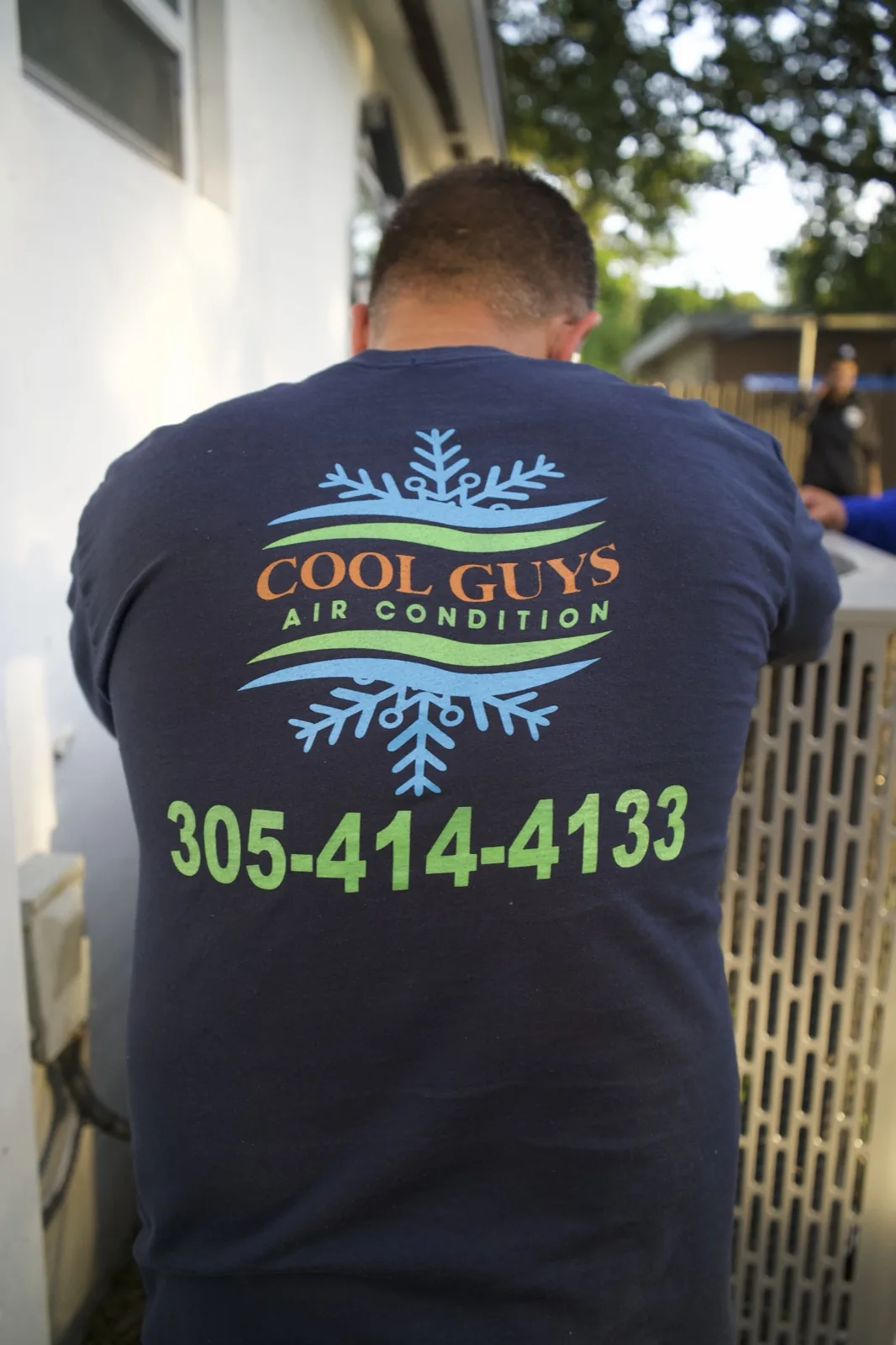 On-site filming day with a client crew
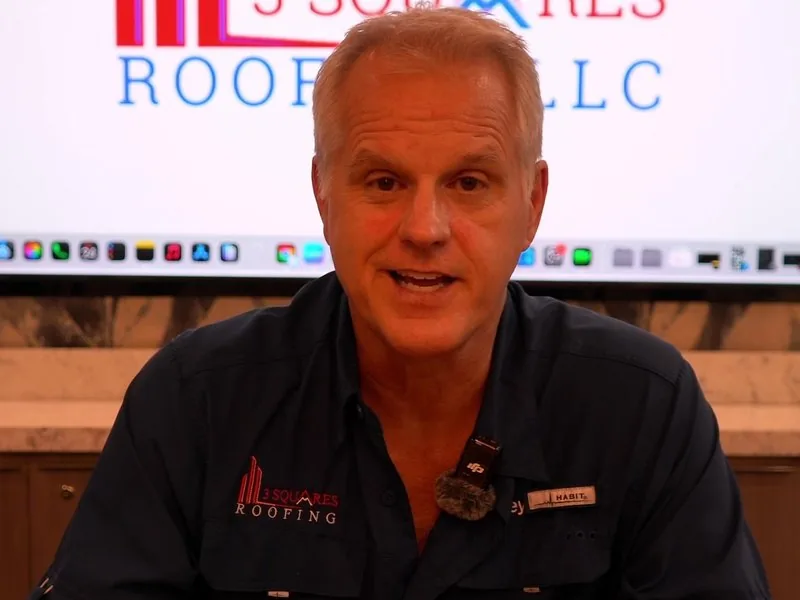 Real people, real jobs — the ads homeowners stop for
Questions contractors ask about this.
Do Facebook ads work for contractors?
Yes, but they do a different job than Google. Google catches homeowners who already have a problem and are searching. Facebook and Instagram put you in front of homeowners before they search — so when the roof leaks or the AC dies, yours is the name they already know. It's a pipeline-builder, not an emergency-call machine.
Why do stock photos perform badly in contractor ads?
Homeowners scroll past ads that look like ads. A stock photo of a model in a clean hard hat reads as fake in half a second — and 'fake' is precisely the fear a homeowner has about contractors. Real footage of your actual crew on an actual local job stops the scroll because it looks like proof, not marketing.
How much should a contractor spend on Facebook ads?
In South Florida, $1,000–$2,500/month in ad spend is a realistic starting range — enough to reach tens of thousands of local homeowners monthly. The bigger cost driver is content: ads with real filmed footage can run for months, while stock-photo ads burn out in weeks and force you to pay for attention that real content earns.
What kind of leads come from Meta ads?
Softer than Google leads — these homeowners weren't searching when they saw you. Expect more 'get me a quote for later' and financing questions than emergencies. That's why follow-up automation matters more on Meta: a lead nurtured by text and email over weeks often books when the project becomes real.
Find out why your last ads didn't work.
The free audit reviews your ad account and your content — what ran, what it cost, and what real filmed creative would change — in writing, within 24 hours.
No card. No contract. Takes one phone call.